
Understanding the psychological tricks that drive gambling behavior
The Allure of Risk and Reward
The thrill of gambling often lies in the balance between risk and reward. Many individuals are drawn to the potential for a significant payout, often overshadowing the risks involved. This psychological phenomenon is amplified by the “near-miss” effect, where players experience a sense of excitement even when they narrowly miss a win, reinforcing their desire to continue playing, especially when they are seeking the best aussie online casino.
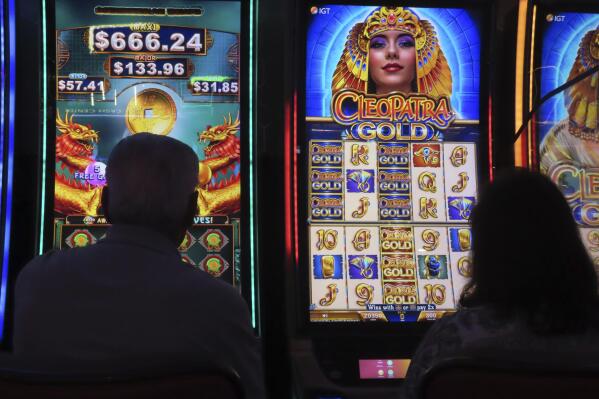
Furthermore, the brain’s reward system plays a crucial role in gambling behavior. When a player wins, dopamine is released, creating feelings of pleasure and reinforcing the desire to gamble again. This cycle can lead to habitual gambling as individuals chase that high, often neglecting the financial consequences of their actions.
The Influence of Environment and Design
Casinos and online gambling platforms are meticulously designed to enhance the gaming experience. Bright lights, engaging sounds, and enticing visuals all serve to create an immersive environment that captures players’ attention. This design strategy manipulates players’ emotions, making them more likely to stay longer and spend more money.
Additionally, the layout of casinos is often engineered to minimize distractions, guiding players toward the most lucrative gaming machines or tables. This strategic placement encourages players to gamble more, as they become enveloped in the atmosphere and lose track of time and money spent.
The Role of Cognitive Biases
Cognitive biases significantly impact gambling behavior, often leading individuals to make irrational decisions. One common bias is the “gambler’s fallacy,” where individuals believe that past outcomes will influence future results. For instance, after a series of losses, players may believe that a win is «due,» leading them to gamble more in hopes of recovering their losses.
Another bias is the “illusion of control,” where gamblers mistakenly believe they can influence the outcome of random games. This mindset can lead to overconfidence, causing players to bet larger amounts than they would otherwise consider rational. Understanding these biases can help players recognize when their judgment is clouded and promote more responsible gambling practices.
The Impact of Social Influence
Social interactions can significantly affect gambling behavior. The presence of friends or fellow gamblers can create a sense of camaraderie and encouragement, leading individuals to gamble more than they initially planned. This social reinforcement can amplify both the enjoyment and risks associated with gambling.
Additionally, online platforms often incorporate social elements, such as leaderboards and chat functions, that foster competition and community among players. These features can create a sense of urgency and pressure to engage more deeply with the games, further driving gambling behavior and potentially leading to excessive spending.

Your Guide to Responsible Gambling
Understanding the psychological tricks behind gambling behavior is essential for maintaining a balanced approach to gaming. Our website aims to provide insights and information to help players navigate their gambling experiences responsibly. By educating yourself about these psychological influences, you can make more informed decisions and enjoy gaming as a form of entertainment rather than a source of stress.
Whether you’re a casual player or a seasoned gambler, our comprehensive resources will guide you in choosing trusted platforms and understanding the dynamics of games. Empower yourself with knowledge to enhance your gaming experience while managing the risks effectively.